

Mentors: The Power of Guidance and Growth in Modern Classrooms

Mentors play a pivotal role in personal and professional development. Mentorship is more than just advice. Mentors foster growth, provide a safe sounding board, build confidence, and help people realize their full potential. Notably, mentors matter at every age and stage of growth.
In education, mentorship creates a dual transformation. It shapes students who need direction, and it supports educators entering the classroom.
1. Student Mentorship: Guiding the Next Generation
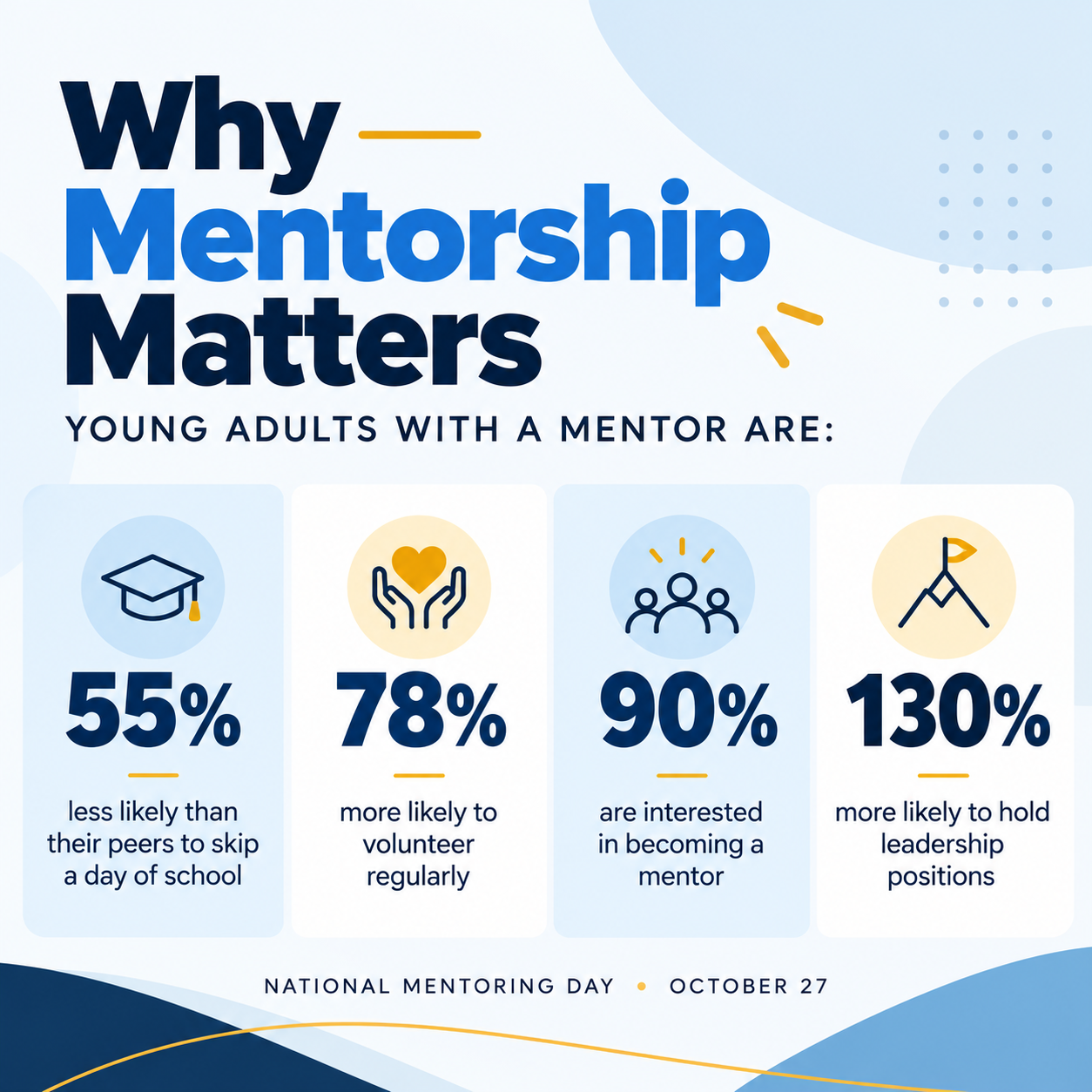
For students, the impact of mentorship is profound. Research from MENTOR: The National Mentoring Partnership shows that young people with mentors are 55 percent more likely to enroll in college. They also experience greater academic and career success.
Supportive guidance helps students navigate daily challenges, set higher goals, and achieve measurable results.
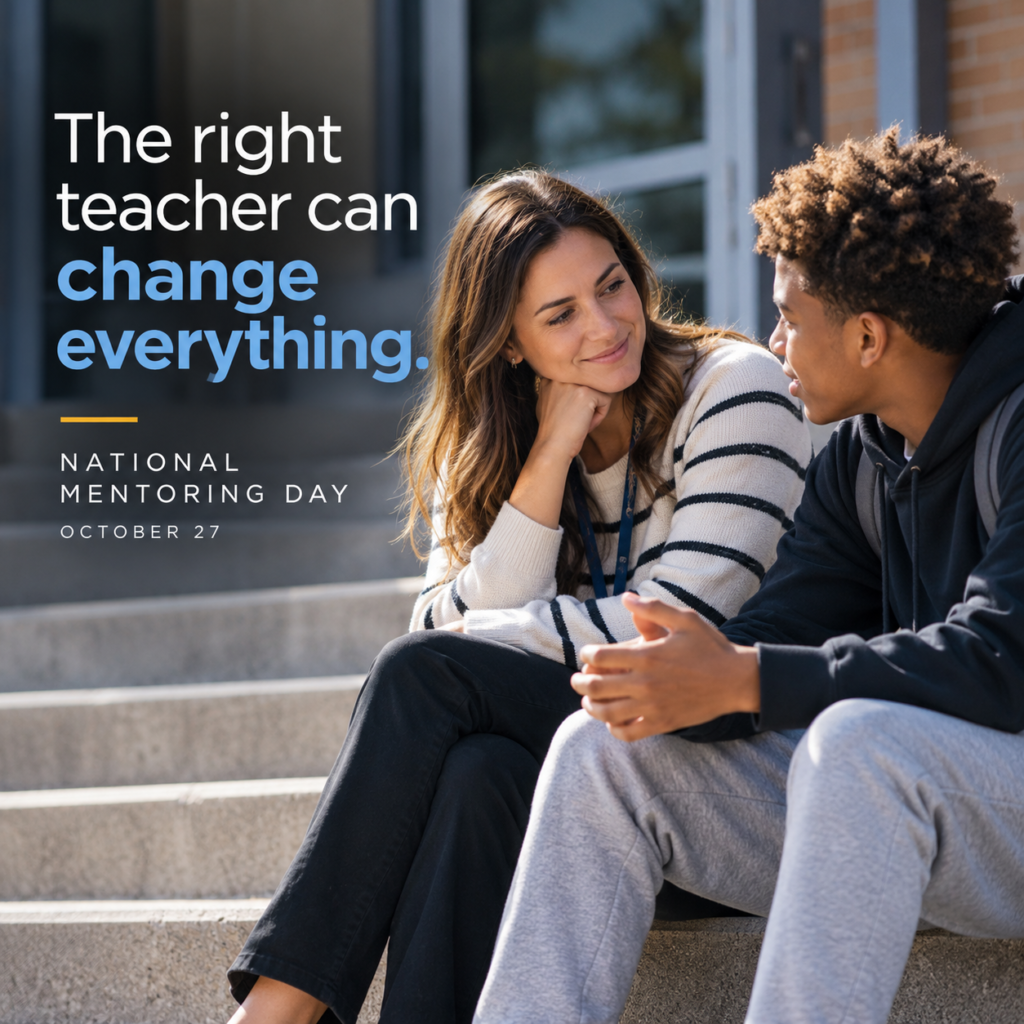
For many students, teachers serve as the most influential mentors in their lives. Beyond daily lesson plans, dedicated teachers inspire students. A strong teacher-mentor listens, offers constructive feedback, nurtures self-worth, and shows students what they are capable of.
2. Peer Mentorship: Protecting New Educator Retention
The power of mentorship is equally vital for teachers themselves. Early-career educators face steep learning curves, from classroom management to curriculum pacing. Without proper support, first-year burnout remains high.
According to comprehensive research by the Learning Policy Institute, supportive leadership and effective peer mentoring dramatically reduce teacher turnover. In fact, early-career educators who receive high levels of leadership support and mentoring see turnover rates cut by more than half, dropping from 18.7 percent down to 9 percent.
When experienced educators mentor new teachers, schools build resilient communities. Veteran teachers provide practical strategies and emotional grounding. This peer-to-peer guidance keeps talented instructors in the profession where students need them most.
3. The Career Changer Advantage: Why Adult Professionals Make Natural Mentors
Mentorship requires real-world perspective. That reality gives career changers a distinct advantage when transitioning into education.
Adults entering teaching at ages 30, 40, or 50 bring decades of professional and personal experience. An engineer teaching high school math can explain structural design. A former business administrator teaching English can highlight workplace communication.
Career changers bring essential mentoring qualities into the classroom:
- Real-World Context: They connect abstract textbook concepts to actual career pathways.
- Resilience & Adaptability: They model problem-solving skills developed across diverse workplaces.
- Empathetic Guidance: They understand career decisions and help students map post-graduation plans.
Through flexible certification pathways, career changers step into classrooms ready to teach—and uniquely prepared to mentor.
4. Addressing the Mentoring Gap
Data from MENTOR confirms that mentorship assures young people they are not alone. Mentoring connects youth to personal growth, emotional support, and economic opportunity.
Yet, at least one in three young people grows up without a mentor. This gap highlights why school-based mentorship and alternative certification pathways matter so much.
When passionate career changers earn certification through the American Board, they fill critical subject shortages. More importantly, they enter schools prepared to offer guidance to students who need positive role models.
5. Become a Mentor in Your Community
National Mentor Day reminds us to give back. As we honor the mentors who shaped our lives, we recognize our power to pay it forward. Sharing your experience creates ripples of lasting change.
Whether in education or business, mentorship drives growth. If you have considered using your background to guide students, teaching offers a rewarding path.
Visit the American Board to learn how our online, affordable teacher certification program helps you transition into the classroom and make an impact.
Frequently Asked Questions (FAQ)
What makes a teacher an effective mentor?
An effective teacher-mentor actively listens, provides constructive feedback, models professional values, and helps students connect classroom learning to real-world opportunities.
How does teacher mentorship improve student retention and performance?
Research shows mentored youth are 55 percent more likely to enroll in college. Mentors help students build confidence, set higher goals, and overcome daily academic challenges.
Why do career changers make strong teacher-mentors?
Career changers bring real-world industry experience, practical problem-solving skills, and mature life perspectives into the classroom, giving students authentic career guidance.
Can I become a certified teacher if I don’t have an education degree?
Yes. Alternative teacher certification programs like the American Board allow degree holders to earn state-approved teaching credentials online without returning to college.






[…] post Mentors: The Power of Guidance and Growth appeared first on American Board […]
[…] Source link […]
[…] Source link […]